










How mediation works.
A clear path, from your first private call to a set of practical next steps. Calm, structured, and neutral, so you always know what happens next.
Schedule a Private Consultation
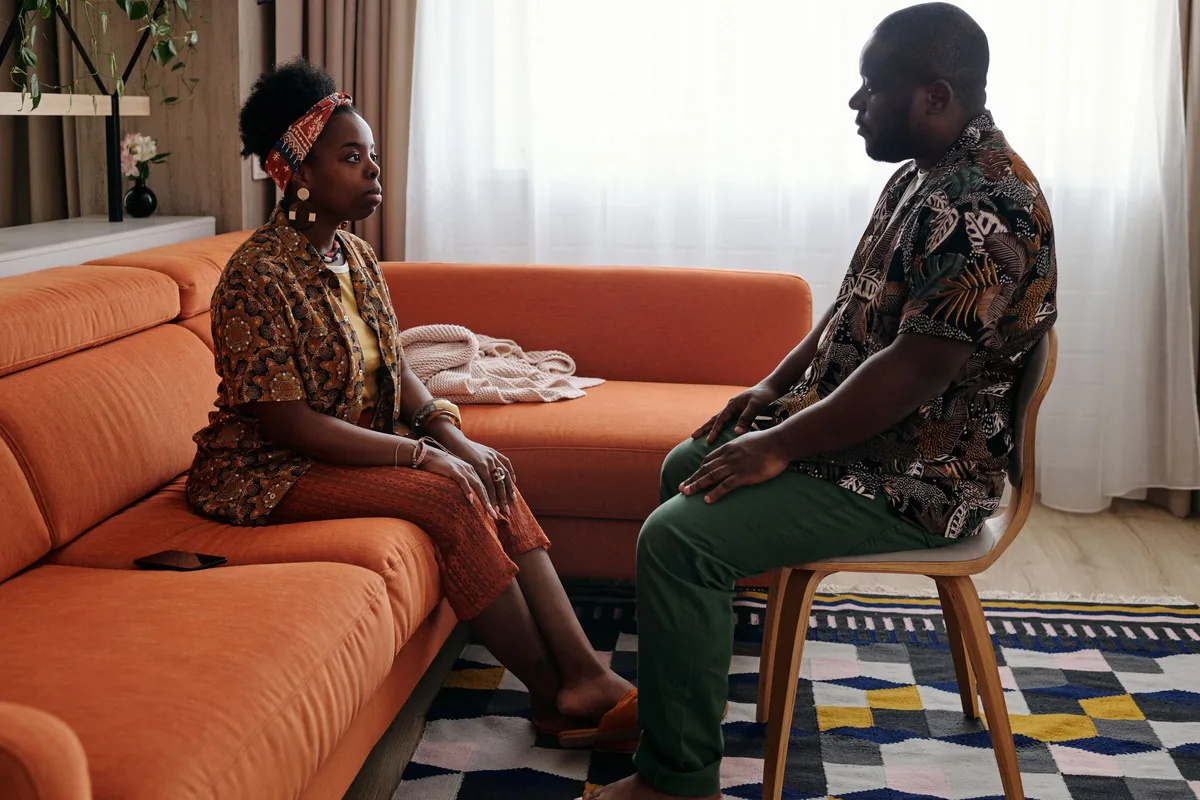
The room is calm on purpose. That’s where the hard part gets easier.
Nothing here is rushed or adversarial. The structure exists so that, one step at a time, people who felt stuck can start hearing each other again.
Start with a private consultationMediation at Practical Family Mediation follows five steps: a private consultation, an issue review, session planning, a guided conversation, and practical next steps. A neutral mediator guides each stage, keeps the process fair, and helps everyone work toward decisions they can act on. It is a conversation, not a court process, and it is designed to stay calm and predictable from start to finish.
If you have never been through mediation, the idea can feel vague. Below is exactly what it looks like, so there are no surprises. The point of a structured process is that no one gets ambushed: you know who will be in the room, what will be discussed, and what you are working toward before you ever sit down.
Five steps, from first call to next steps.
Private consultation
A confidential first conversation to understand your situation and whether mediation is a fit.
Issue review
We identify the real issues and what each person needs to feel the process is fair.
Session planning
We agree on how sessions will run so everyone knows what to expect.
Guided conversation
A structured, neutral discussion focused on options, not blame.
Practical next steps
Clear, workable outcomes you can act on, and take to independent counsel if you choose.
What each step actually looks like
1. Private consultation
Everything starts with a confidential, no-pressure conversation. This is where you explain what is going on in your own words, ask questions, and get a straight answer about whether mediation is likely to help. There is no obligation to continue. If mediation is not the right tool for your situation, you will hear that honestly, and you will not have lost anything by asking.
2. Issue review
Once you decide to move forward, the next step is separating the real issues from the noise. Most disputes have a surface argument and a deeper set of needs underneath it. The issue review clarifies what actually has to be decided, and what each person needs in order to feel the process is fair. Naming that clearly, early, is often half the work.
3. Session planning
Before anyone sits down together, there is a plan. Who will be in the room, how the sessions will run, roughly how long things may take, and the ground rules that keep the conversation respectful. Predictability lowers the temperature. When people know what to expect, they arrive calmer and more ready to actually work.
4. Guided conversation
This is the heart of mediation: a structured, neutral discussion where each person is heard and the focus stays on options rather than blame. The mediator does not take sides or decide who is right. Instead, the mediator keeps the conversation moving, makes sure both perspectives land, and helps the group explore practical ways forward that neither person may have reached alone.
5. Practical next steps
The process ends with something you can use: clear, workable next steps that everyone understands. Any understanding reached can be written down, and you can choose to have independent legal counsel review or formalize it. Whether a written agreement becomes legally binding depends on the situation, which is one more reason independent legal advice is encouraged.
Structured on the outside, human on the inside.
The steps exist so the conversation can stay calm. When the process is clear and neutral, people stop bracing for a fight and start solving the actual problem. That is the whole idea: a practical alternative to escalating conflict.
Start With a ConversationA few things that are true of every session.
You keep control
No one imposes a decision on you. Mediation helps you and the other person reach an agreement, rather than handing the outcome to a judge.
It is voluntary
Mediation works because everyone chose to be there. Both people take part willingly, and either can seek independent advice at any time.
The mediator is neutral
The mediator does not represent anyone or push an outcome. The job is to keep the process fair and focused on practical decisions.
The pace is calm
Sessions are planned, not rushed. The structure is there so hard conversations can happen without tipping into a shouting match.
It stays practical
The focus is on real issues and workable options, not on relitigating the past or deciding who was right.
Advice stays independent
Mediation is not legal advice. You are encouraged to consult your own attorney before, during, or after the process.
A good process lowers the temperature. When people know what happens next and trust that the room is fair, they stop bracing for a fight and start making real decisions.
 Marissa Chen, J.D.Law-trained mediator
Is mediation right for us?
Mediation tends to help when two conditions are true: both people are willing to sit down and talk, and there are real decisions that need to be made. It works well when you want to keep control of the outcome, keep the matter private, and keep the relationship as workable as possible. It is a weaker fit when one person refuses to participate, or when a situation calls for the protections of a formal legal process. If you are unsure, the private consultation is the place to find out.
Plenty of people come to mediation not because they are getting along, but because they are tired of the same argument going nowhere and they can see how expensive letting it escalate would be. You do not have to like each other. You have to be willing to try to decide.
Mediation across the San Fernando Valley
Practical Family Mediation serves families and business owners throughout Fort Worth, Texas and the San Fernando Valley, California, and surrounding communities, from Sherman Oaks, Encino, and Tarzana to Woodland Hills, Studio City, Northridge, and Van Nuys, and out toward Calabasas and Thousand Oaks. The same clear process applies wherever you are in Los Angeles County or Ventura County. Sessions are arranged by appointment.
Questions about the process.
It depends on the number of issues and how complex they are. Some situations are resolved in a single session; others take more than one, especially when several decisions are stacked together. Sessions are planned in advance so you have a clear sense of what to expect before you begin.
No, an attorney is not required to take part in mediation. Mediation is a conversation, not a court process. That said, participants may choose to consult independent legal counsel at any point, and any understanding reached can be reviewed or formalized by their own attorneys.
The goal is a set of clear, practical next steps that everyone understands. Any understanding reached can be written down, and participants can choose to have independent attorneys review or formalize it. Whether a written agreement becomes legally binding depends on the situation, so independent legal advice is encouraged.
Start with a calm, private first step.
The consultation is where it begins. Tell us a little about your situation, and we will talk through whether mediation is the right fit and what a practical next step could look like.
Schedule a Private Consultation